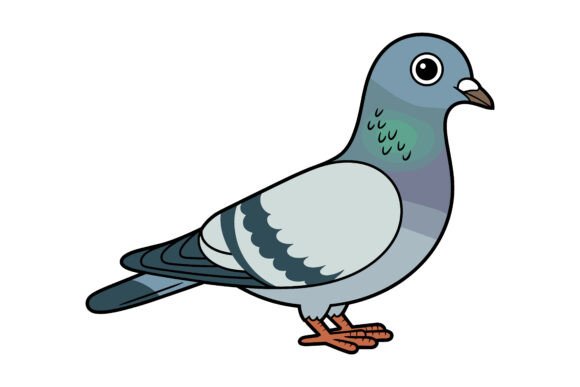
Pigeon Illustration Vector
A Quiet Elegance for Embroidery Projects
The Pigeon Illustration Vector arrives with a sense of calm and sophistication that immediately sets it apart from generic bird designs. It’s not just a vector—it’s a visual statement, crafted with a balance of detail and simplicity that makes it versatile for a range of embroidery applications. As an experienced designer, I find the design’s clean lines and subtle shading to be both functional and aesthetically pleasing, offering a strong foundation for custom projects.
First Impressions: A Mood That Speaks
At first glance, the Pigeon Illustration Vector evokes a sense of peace and quiet observation. Its silhouette is refined, with a natural curvature that suggests movement without being overly dramatic. The level of detail—such as the soft feathering and gentle wing shape—is enough to add character without overwhelming the viewer. This makes it ideal for projects where subtlety and elegance are key, like a personalized gift or a handmade product meant to convey thoughtfulness.
What stands out most is the design’s adaptability. Whether used as a standalone motif or incorporated into a larger composition, the Pigeon Illustration Vector maintains its integrity. It works equally well as a machine embroidery design, an applique design, or even a decorative element in a custom apparel project.
Real-Life Use Case: Custom Tote Bag Design
Imagine you're preparing a custom tote bag for a local craft fair. The Pigeon Illustration Vector could serve as the central graphic, subtly embroidered on the front in a soft pastel color. The design’s minimalist approach ensures it doesn’t compete with the fabric or the overall aesthetic of the tote. However, it's important to consider how the design will translate when stitched. Testing on scrap fabric first is always a good idea, especially when working with intricate details like the feathering.
For this use case, the Pigeon Illustration Vector shines. Its clean lines and balanced proportions make it suitable for a variety of embroidery file formats, including SVG and PNG. When paired with the right thread colors, it can create a visually appealing contrast against lighter fabrics. However, on darker backgrounds, the design may require more careful consideration of stitch density and stabilizer use to maintain clarity and definition.
Where to Use with Care
While the Pigeon Illustration Vector is versatile, there are scenarios where it might need extra attention. For instance, using it on small hoop sizes could lead to a loss of detail, especially in the wings or tail feathers. Similarly, textured or stretchy fabrics might cause distortion, so it's crucial to test the design on a printable mockup before committing to a full project.
Dark fabrics also pose a challenge. Without sufficient contrast, the design can appear flat or lose its intended depth. In such cases, experimenting with different thread colors or adjusting the stitch density can help enhance visibility. Additionally, the design’s delicate corners and fine details may not hold up well on layered garments or curved surfaces like caps, which can cause puckering or uneven stitching.
Design Impact on Visual Appeal and Professionalism
The Pigeon Illustration Vector has the potential to elevate the visual appeal of any project it's applied to. Its elegant form and thoughtful composition make it a great choice for commercial embroidery or small shop products. When executed properly, it adds a touch of sophistication that appeals to both personal and professional buyers.
From a brand consistency standpoint, the design offers flexibility. It can be scaled down for embroidered patches or expanded for larger sweatshirt embroidery projects. This versatility makes it a valuable asset for craft business owners looking to diversify their offerings.
However, the design’s success ultimately depends on the quality of the embroidery file and the care taken during the stitching process. Ensuring that the hoop size is appropriate, the stabilizer is properly applied, and the thread colors complement the fabric are all essential steps in delivering a finished product that meets customer expectations.
Practical Designer Notes
As a designer, I recommend taking the following steps before using the Pigeon Illustration Vector in a real project:
- Test on scrap fabric to assess how the design performs under actual stitching conditions.
- Check thread color contrast against the fabric to ensure visibility and vibrancy.
- Review stitch density to determine if adjustments are needed for clarity or detail retention.
- Confirm hoop size to avoid distortion, especially on smaller or detailed sections.
- Inspect small details like feathering and wing shapes to ensure they remain intact after stitching.
- Test in black and white mockups to evaluate how the design holds up in different lighting conditions.
- Compare light and dark fabric backgrounds to see how the design behaves in various settings.
- Use proper stabilizer to prevent shifting or puckering, especially on stretchy or thin fabrics.
- Check whether the design works for both personal and commercial projects to ensure it meets your business goals.
- Confirm licensing terms before selling finished items or digital products to avoid legal issues.
Final Thoughts
The Pigeon Illustration Vector is a well-crafted design that offers a blend of elegance and practicality. It’s suited for a wide range of embroidery projects, from personalized gifts to commercial embroidery for Etsy sellers and small shop products. While it requires some attention to detail and preparation, the results can be stunning when executed correctly.
Ultimately, the key to success lies in understanding how the design interacts with your chosen fabric, stitch density, and thread colors. With the right approach, the Pigeon Illustration Vector can become a staple in your design assets, adding value to both your handmade product line and your finished product offerings.